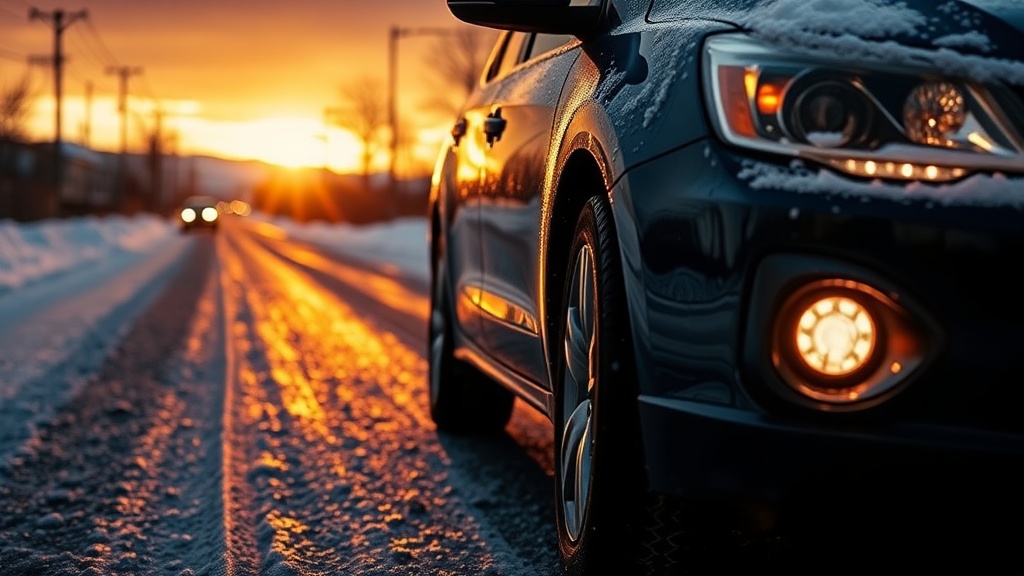
How to Keep Your Vehicle Road-Ready Through Espanola's Harsh Winters

Here's a number that'll make you check your tire pressure: temperatures in Espanola regularly plunge below -25°C during January and February, and the town averages over 300 centimetres of snowfall annually. For those of us who call Espanola home, winter isn't just a season—it's a months-long test of preparation, patience, and practical know-how. Your vehicle faces salt-covered Highway 17, frozen batteries on Centre Street parking lots, and ice-rutted back roads in neighbourhoods like the Heights and McKerrow. This guide covers how Espanola drivers can winterize their vehicles properly, maintain them through the deep freeze, and avoid becoming that person stalled in the Canadian Tire parking lot on a -30°C morning.
What Does Espanola's Winter Actually Do to Your Vehicle?
Living in Espanola means accepting that our vehicles endure more abuse in five months than many southern Ontario cars see in years. The combination of extreme cold, heavy road salt, and freeze-thaw cycles creates unique challenges.
Cold weather thickens your engine oil, making morning starts harder on your battery—which already loses about 50% of its cranking power at -18°C. Road salt accelerates rust on undercarriages, especially for those of us parking on streets where plow piles create salty slush baths. And let's not forget the potholes: spring in Espanola reveals a lunar landscape of craters, courtesy of frost heaving our paved roads.
The Ontario Ministry of Transportation reports that winter vehicle breakdowns spike dramatically in Northern Ontario communities. Espanola sits at a geographic crossroads where lake effect snow from both Huron and Superior converges, meaning we often get hit harder than communities just an hour south. Understanding these local conditions isn't paranoia—it's survival.
When Should You Switch to Winter Tires in Espanola?
The old rule of thumb—Thanksgiving to Easter—doesn't quite cut it here. Smart Espanola drivers mount winter tires by mid-October. Temperatures regularly dip below 7°C (the threshold where all-season tires harden and lose grip) well before Halloween.
Winter tires aren't just about snow; their rubber compounds stay flexible in cold temperatures, providing better handling on bare, frozen pavement. Given that Espanola's side streets can remain icy for weeks after a storm, that flexibility matters. The Tire Rack's winter testing consistently shows winter tires outperform all-seasons in cold conditions—even on dry roads.
When shopping, look for the mountain-and-snowflake symbol, not just M+S (mud and snow) ratings. Local retailers like Fountain Tire on Centre Street or Canadian Tire stock appropriate options. And don't forget: winter tires wear quickly on warm pavement, so resist the urge to mount them during an early September cold snap.
How Do You Prepare Your Vehicle's Battery for Sub-Zero Temperatures?
Car batteries in Espanola live hard lives. A battery that's merely "okay" in October often becomes a "no-start" situation by January. Before winter hits, have yours tested—most auto parts stores do this free.
If your battery is more than three years old, consider replacement before the deep cold arrives. Cold-cranking amps (CCA) matter here; Espanola's winters demand batteries rated for at least 600 CCA, preferably higher. Keep jumper cables in your trunk (yes, even if you have CAA membership—the wait times on Highway 17 during storms can stretch for hours).
For those without garage parking—common in apartment complexes along Spruce Street or rental properties near the arena—battery blankets or trickle chargers make enormous differences. A $40 battery warmer from Canadian Tire can mean the difference between a reliable start and a frozen morning disaster. Park facing east when possible; morning sun helps warm the engine compartment slightly.
What Maintenance Tasks Should Espanola Drivers Prioritize?
Beyond tires and batteries, several maintenance items deserve attention before the snow flies:
- Antifreeze concentration: Your coolant should protect to at least -37°C. Espanola's record low is -42.8°C (set back in 1934), so margin matters. Most shops can test this quickly.
- Wiper blades and fluid: Summer wipers shred in ice. Switch to winter-rated blades and keep your washer fluid topped with -40°C-rated solution. Nothing's worse than salt spray blinding you on Highway 17 with frozen fluid lines.
- Undercarriage protection: Get your vehicle oil-sprayed or undercoated. Places like Krown Rust Control in Sudbury (worth the drive) or local shops offer treatments that significantly slow salt corrosion. Reapply annually—preferably before Halloween.
- Block heaters: If your vehicle doesn't have one, install it. Plug in when temperatures drop below -15°C. The electricity cost is negligible compared to reduced engine wear and reliable starting.
Don't ignore your brakes, either. Moisture in brake lines can freeze, causing dangerous failures. A pre-winter brake inspection at a trusted local shop—maybe Espanola Motors or a reputable garage along Second Avenue—catches problems before they strand you.
What Should You Keep in Your Winter Emergency Kit?
Every Espanola vehicle needs a winter survival kit. Highway 17 closures happen. Ditches happen. Being prepared isn't overthinking—it's common sense in our climate.
Your kit should include: a quality ice scraper and snow brush (the cheap ones break—spend $20), shovel, sand or kitty litter for traction, blankets or sleeping bags, extra warm clothing, high-energy snacks, water (store upside-down so it freezes at the bottom first), flashlight with extra batteries, first aid kit, candle and matches (a candle can raise temperatures in a stranded vehicle surprisingly well), and a charged power bank for your phone.
Keep your gas tank at least half full. This prevents fuel line freezing and ensures you can run the engine for heat if stranded. Before long trips—say, heading to Sudbury for shopping or visiting family in Massey—check road conditions on Ontario 511 and let someone know your route.
How Can You Protect Your Vehicle from Road Salt Damage?
Road salt keeps Espanola's streets passable, but it's brutal on vehicles. The stuff eats metal, corrodes electrical connections, and stains everything it touches. Fighting back requires diligence.
Wash your vehicle regularly through winter—yes, even when it's freezing out. Modern car washes in Sudbury and occasionally at local gas stations offer undercarriage sprays that blast salt from hidden crevices. Pay special attention to wheel wells and door bottoms, where salt accumulates and rust begins.
Door seals freeze shut in our climate. Apply silicone spray to rubber seals monthly. Keep your locks working smoothly with graphite lubricant. And that annoying frozen door problem? A squirt of lock de-icer on the seal before closing helps—just don't use hot water (it refreezes immediately and makes things worse).
If you have a garage, use it for your vehicle—not for storage. Keeping your car out of the elements overnight dramatically reduces cold-start wear and salt exposure. For apartment dwellers or those with street parking on lanes like Patricia Street or Third Avenue, consider a car cover at minimum.
Where Can Espanola Drivers Get Help When Things Go Wrong?
Despite best efforts, breakdowns happen. Knowing where to turn saves stress and money. Canadian Tire on Centre Street offers basic services and parts. Fountain Tire handles more complex work. For major repairs, many locals make the trip to Sudbury where options multiply—but don't overlook smaller independent shops in town that often provide faster, more personal service.
CAA membership pays for itself quickly in Northern Ontario. Their roadside assistance covers battery boosts, tire changes, and tows. Given Espanola's distance from major service centres, that coverage matters. Keep their app on your phone and your membership number written down somewhere besides your phone (in case the battery dies).
Our community looks out for each other—it's one of Espanola's strengths. If you see someone stuck in the mall parking lot or struggling on a side street, offering help (safely) keeps our town connected. Just be smart about it: pull completely off the road, use hazard lights, and don't put yourself in danger.
Spring Recovery: What Should You Check When Winter Finally Ends?
When the snow melts and Espanola's famous potholes emerge, your vehicle needs post-winter attention. Switch back to all-season tires once temperatures consistently stay above 7°C—usually late April here. Leaving winter tires on warm pavement wears them quickly and reduces fuel economy.
Get your alignment checked. Potholes on Second Avenue and Spruce Street knock wheels out of alignment constantly. Misalignment causes uneven tire wear and poor handling. While you're at it, inspect your undercarriage for rust or damage from ice chunks.
Replace wiper blades again (winter is hard on them), check your brake pads (salt accelerates corrosion), and give your vehicle a thorough wash including the undercarriage. That spring cleaning removes accumulated salt before it can attack metal through summer humidity.
Living in Espanola means accepting winter as part of our identity. We don't hide from it—we prepare for it. Your vehicle is your lifeline in this climate, connecting you to work at the mill, groceries at Valumart, hockey practice at the arena, and visits with friends across town. Taking care of it isn't just mechanical maintenance; it's how we maintain our independence through months that would shut down less resilient communities.